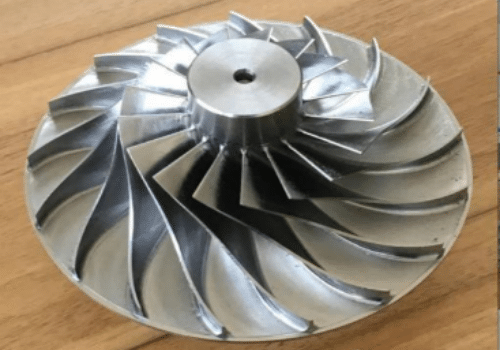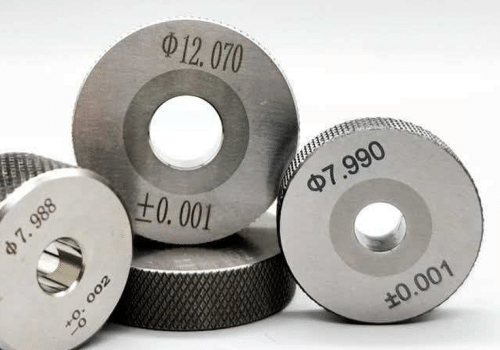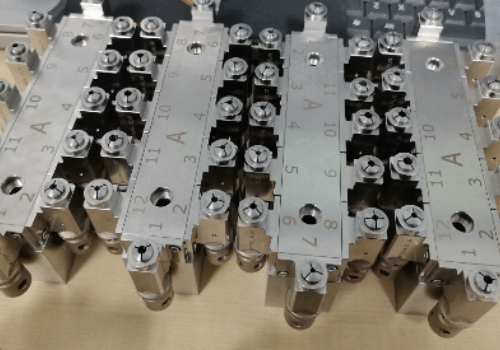
CNC machining refers to the process of machining using numerically controlled tools; it is a type of automated machine tool controlled by a program. This control system is capable of logically processing programs specified by control codes or other symbolic instructions, which are then decoded by a computer to drive the machine tool’s movements and machine parts, transforming raw material into semi-finished or finished parts through cutting with cutting tools.
Here are a few precautions to keep in mind before CNC machining:
1. The workpiece must bear the Quality Department’s approval mark.
2. Upon receiving the program sheet, verify that the workpiece reference points match those on the drawing.
3. For new molds, the machining drawings must meet requirements and contain clear data; they must be signed by the supervisor, and all fields on the drawings must be completed.
4. Carefully review each requirement on the program sheet and confirm that the program aligns with the drawing specifications. If any issues arise, they must be resolved in collaboration with the programmer and the production team.
5. Based on the workpiece’s material and dimensions, assess the appropriateness of the cutting tools selected by the programmer for roughing or finishing operations. If the tool selection is deemed inappropriate, immediately notify the programmer to make the necessary adjustments to improve machining efficiency and workpiece precision.
In summary, before CNC machining, the machining center operator should select an optimal machining solution based on factors such as the workpiece’s dimensional accuracy, the magnitude of the tilt angle, the tool geometry, the part clamping method, and the complexity of the programming, while taking into account the precautions for CNC machining.